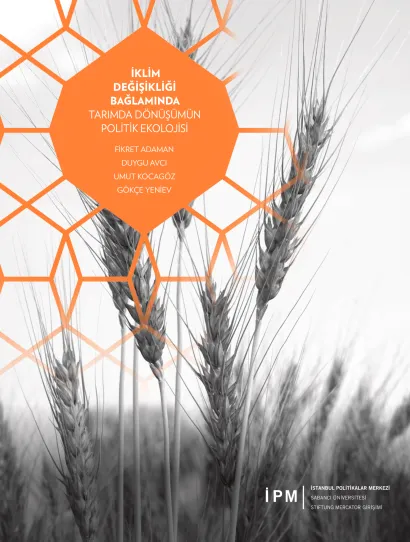
Climate Change
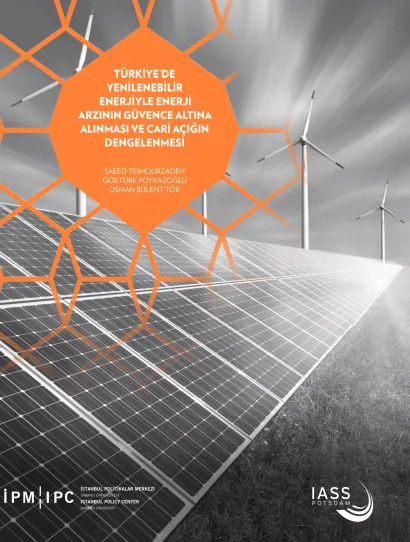
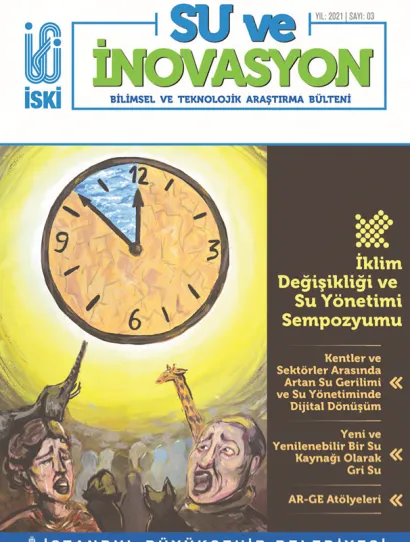
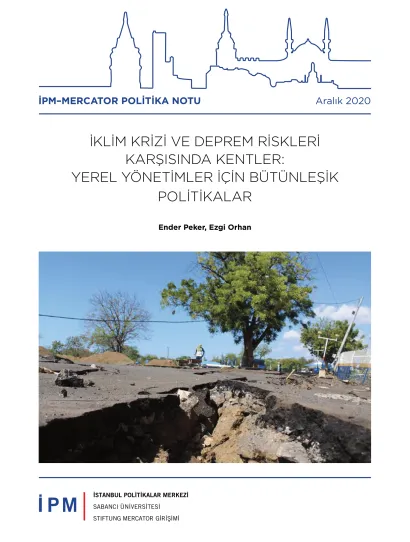
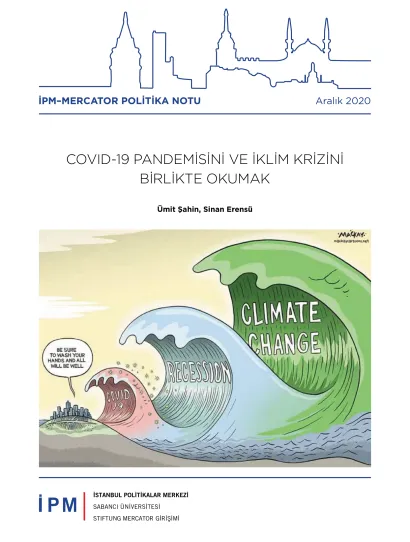
The Climate Change program has been one of IPC’s main research priorities since 2013. IPC’s Climate Change Program publishes policy papers and reports on the energy transition, green economy, mitigation and adaptation policies, and the economic impacts of climate change. The Climate Change program works in the following thematic areas.
The Climate Change programme works in the following thematic areas.
Mitigation | Climate Diplomacy | Adaptation and Resilience | Knowledge and Communication
 IPC’s Climate Change Program acts as a key platform to bring together stakeholders involved in climate action by providing opportunities for collaboration and dialogue with experts, academics, the public, civil society, and the private sector to increase the impact of actions on climate change. IPC represents Turkey in the Climate Transparency Network and the Mediterranean Alliance of Think Tanks on Climate Change (MATTCCh).
The Climate Change Program’s main research focus is to promote low-carbon SHURA ENERGY TRANSITION CENTER development, lead industrial decarbonization efforts—particularly in the steel sector—and contribute to the energy transition agenda by advocating for the gradual phase-out of coal. It also promotes a just transition to ensure that no one is left behind in the transition to a sustainable future. Through strategic partnerships with institutions such as Istanbul University – Cerrahpaşa, Boğaziçi University, and the National Institute of Public Health of Quebec (INSPQ), IPC has made significant contributions to understanding the health impacts of climate change.
#ClimatePolicies | #ClimateChange | #GreenTransition | #JustTransition | #ClimateAction
Networks
- Climate Transparency
- MATTCCh
Partnerships
- International Climate Politics Hub
- Climate Policy Lab
Gelecek Etkinlikler

Just Transition: Regulatory Frameworks with EU Implementation and Financing Examples
IPC, in cooperation with Boğaziçi University and SEFiA, organized the conference titled "Just Transition: Regulatory Frameworks with EU Implementation and Financing Examples," which was held on January 13 at IPC Karaköy. The conference was held within the framework of the TÜBİTAK-supported project (Grant No. 123K509) led by Prof. Dr. Sevil Acar from Boğaziçi University.
PARIS +10 - Event 2 : On the Tenth Anniversary of the Paris Agreement and Beyond
IPC organized the second event in the Paris +10 series, titled “On the Tenth Anniversary of the Paris Agreement and Beyond,” on December 16, 2025, at IPC Karaköy. The event brought together leading scholars and practitioners to reflect on the first decade of the Paris Agreement and discuss future challenges for global and national climate governance. The program opened with remarks by Ümit Şahin on the significance of the Agreement’s tenth anniversary. This was followed by Ömer Madra’s talk, “Is the Worst Nightmare Becoming Reality? Paris of Troy in Mythology,” which offered a symbolic perspective on the climate crisis, and Semra Cerit Mazlum’s presentation, “Before and After the Paris Agreement,” analyzing developments in climate policy since the Agreement’s adoption. The event concluded with an interactive discussion session that enabled an in-depth exchange among speakers and participants on the future of climate action in Türkiye and beyond.
"Synthetic Fashion and Beyond: Fast Fashion, Climate, Plastic, and the Future of Textiles"
The Initiative organized the event “Fast Fashion, Climate, Plastic, and the Future of Textiles,” convened by 2025/26 Mercator–IPC Fellow Sedat Gündoğdu, on December 10, 2025, at IPC Karaköy. The event featured the participation of Selin Uğurtaş, Urska Trunk, İlkan Özkan, Cansu Sipahi, Beysu İnal Şenermen, Aslı Odman, İpek Yalçın, Enis, and İlkşen Dedeoğlu Demiray.
The “Reimagining Cities: Urban Sustainability Transitions” Webinar series"
The “Reimagining Cities: Urban Sustainability Transitions” webinar series explored urban sustainability and the role of cities in addressing climate change. As urban areas generate approximately 70 percent of global greenhouse gas emissions, municipalities around the world are implementing innovative solutions such as 15-minute cities, pedestrianization projects, urban ecological corridors, and green transportation initiatives. The series aimed to bring together IPC’s research on urbanization, local governance, and climate change by examining how municipalities initiate, develop, and scale sustainability projects, sometimes in collaboration with and sometimes in tension with civil society actors. Drawing on global examples, the discussions offered insights for local authorities and civil society organizations in Türkiye working toward more sustainable and equitable urban futures.
Medyascope : “Nasıl Bir Dünya? Nasıl Bir Türkiye?” - “The Impact of Fast Fashion on the Environment, Health, and Climate”
Reflections on COP30
The Initiative hosted a panel discussion “Reflections on COP30 (COP30’dan İzlenimler),” on November 27, 2025, at IPC Karaköy. The panel was moderated by Climate Change Program Coordinator Ümit Şahin and featured Ayşe Ceren Sarı, Çiğdem Özbaş, Değer Saygın, Devin Bahçeci, Nuri Özbağdatlı, and Tanyeli Behiç Sabuncu as panelists.