Democracy, Conflict Resolution, Foreign Policy
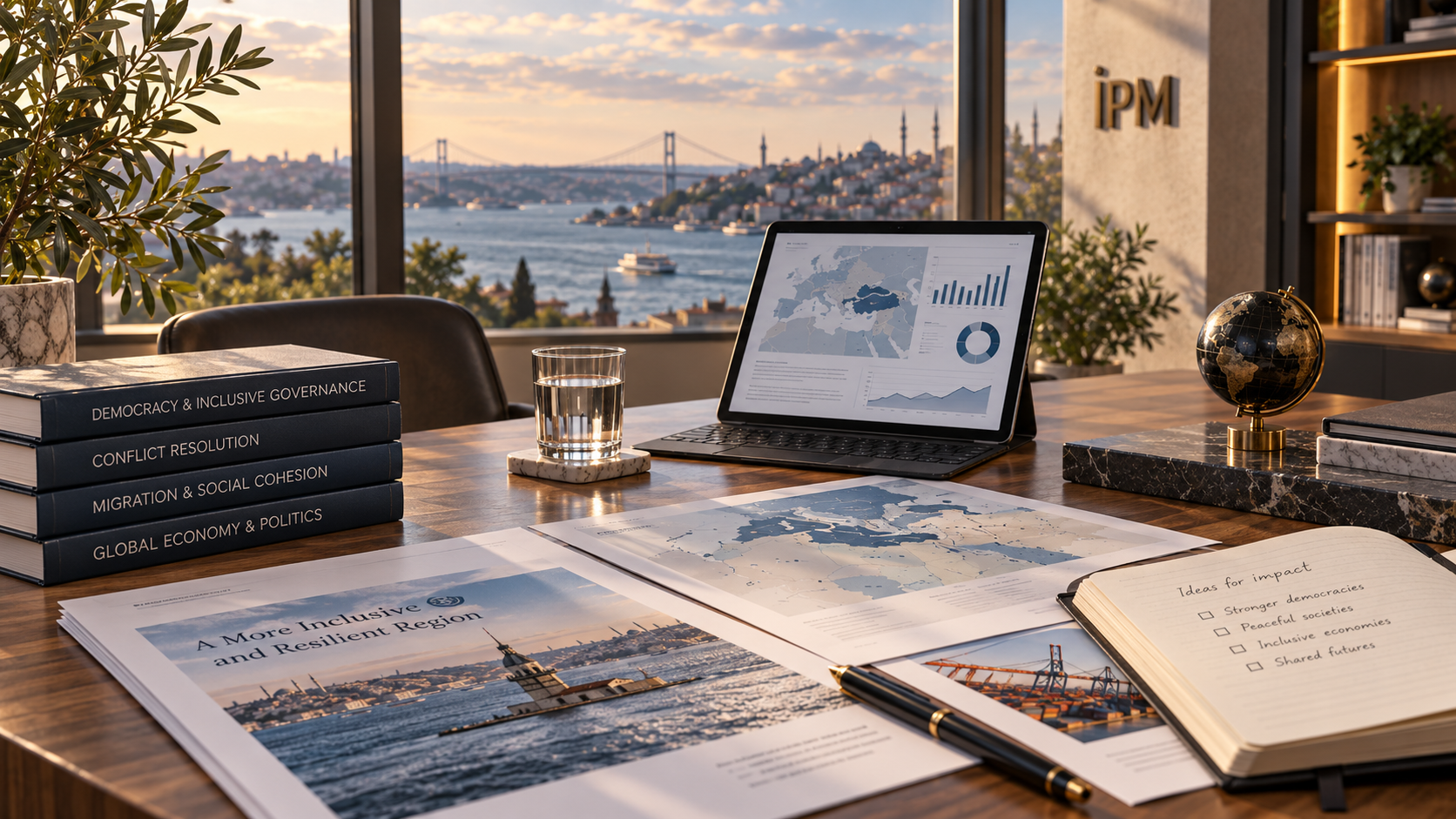
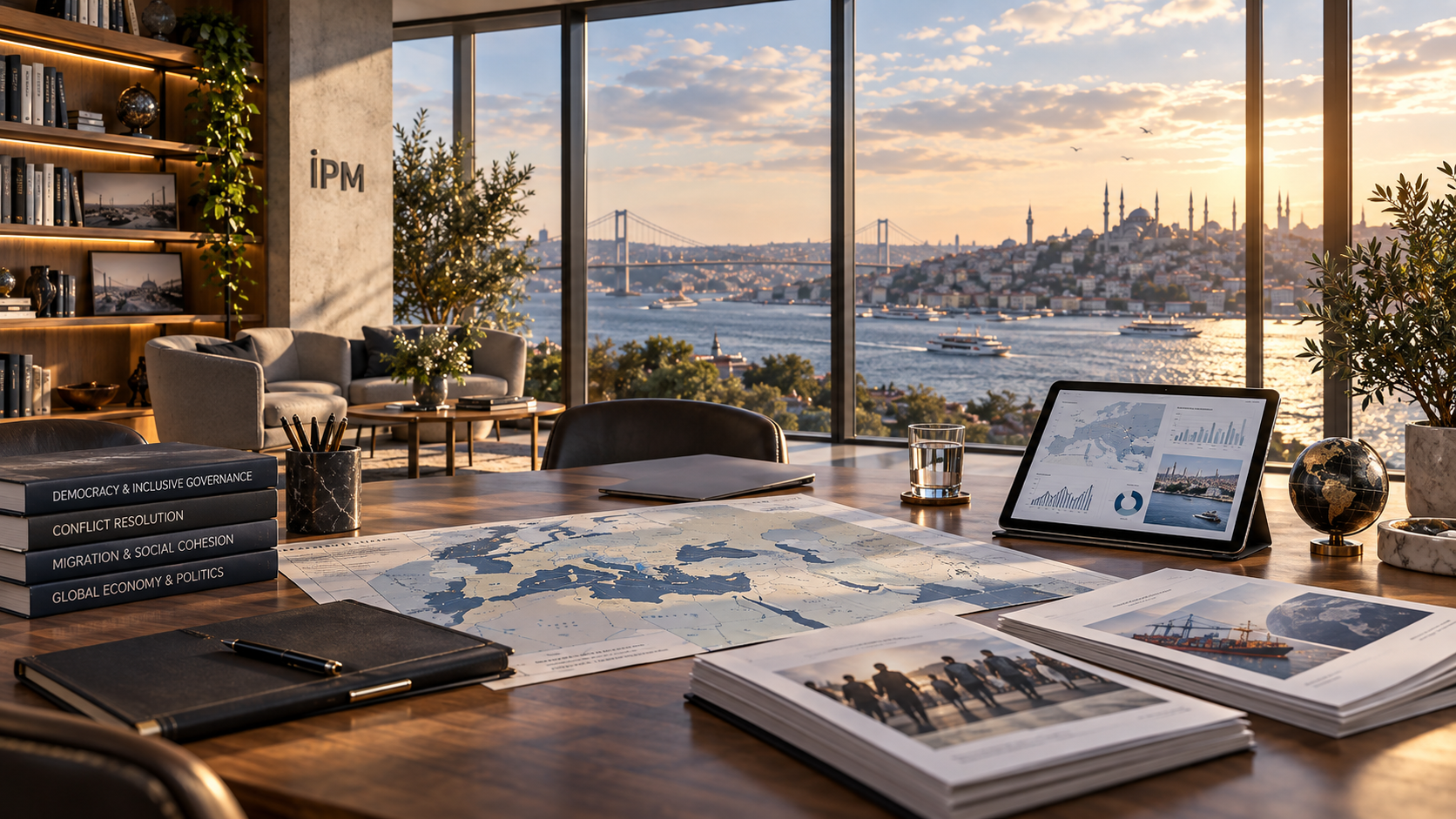 IPC takes a broad approach to democracy studies, covering party politics, electoral processes, institutional resilience, democratic innovation, and inclusive governance. IPC’s work in the field of conflict resolution concentrates on peacebuilding, mediation, reconciliation, migration, and social cohesion, building on IPC’s extensive experience with the political and social aspects of conflict. The foreign policy component of this cluster includes Turkey’s international stance, regional security issues, and the effects of global geopolitical changes on both domestic and international governance. Through research, public events, and strategic partnerships with academics, policymakers, civil society, and international organizations, IPC’s work in this area aims to enhance democratic governance, support peaceful conflict resolution, and promote informed and principled foreign policy decision-making.
#Democracy | #ConflictResolution | #GlobalPolitics | #GlobalEconomy | #Democratization | #Geoeconomics

Changing Geopolitics and the Emerging Order of the Middle East: Challenges Ahead, What the Future Holds
Istanbul Policy Center (IPC), with the support of Sasakawa Peace Foundation of Japan and the Middle East Institute at National University, organized an international conference on the geopolitics and the emerging order of the Middle East after the Arab uprisings. The event brought together scholars from across the globe from Turkey to Malaysia, Singapore and Japan. Within the context of the contemporary developments of the Middle East, conference participants analysed the shifting geopolitical strategies of particular nations, investigated the evolution of a new regional order at the macro level, and the focused on the role of the Gulf region within the larger context of the Middle East. IPC research associates Pınar Akpınar and Altay Atlı each made a presentation at the conference and Bülent Aras, senior scholar and coordinator of IPC’s conflict resolution and mediation stream, shared his thoughts with the audience through teleconferencing.
Kurdish Question and Democracy after July 15th
IPC organized the workshop titled “Kurdish Question and Democracy after July 15th” as part of the Post-Coup Opportunities on Conflict Resolution and Democracy Project on December 2, 2016 in Ankara. Director Fuat Keyman gave the opening speech, while Senior Scholar & Conflict Resolution and Mediation Stream Coordinator, Bülent Aras, and Conflict Resolution and Mediation Stream Scholar, Pınar Akpınar, were moderators.
Government, Foreign Policy, and Military after July 15th
IPC Researcher Metin Gürcan convened a workshop titled “Government, Foreign Policy, and Military after July 15th” on December 1, 2016 at IPC.
Transforming Conflict and Violence in Somalia through Effective Community Engagement
Within the scope of PEACECAP Project, IPC Researcher Auveen Woods and Senior Scholar Teri Murphy convened and moderated a workshop on “Transforming Conflict and Violence in Somalia through Effective Community Engagement” with participants from the Somali Peace Line (Mogadishu) and the Life and Peace Institute (Nairobi) from November 27 to December 1, 2016 at IPC.
Rising Powers and Peacebuilding: Innovative Approaches to Preventing Conflict and Sustaining Peace
Within the scope of PEACECAP Project, On May 23, 2016, IPC, in cooperation with American University and the Norwegian Institute of International Affairs (NUPI), organized a one-day event in Istanbul titled “Rising Powers and Peacebuilding: Innovative Approaches to Preventing Conflict and Sustaining Peace.”
Towards a New Constitution: Report on Institutional Reform and the Development of a Culture of Democracy
Towards a New Constitution: The Report on Institutional Reform and the Development of a Culture of Democracy was presented at a meeting held in Ankara on December 16, 2015.