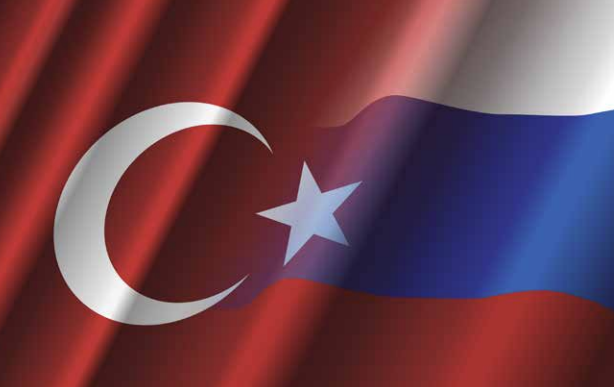
Nationalism by Choice: How the Presidents of Turkey and Russia Take Advantage of National Feelings to Stay in Power
Introduction
Nationalism, a concept of the 19th century, is offered on the global marketplace of ideas as a solution for the 21st century. Nationalist movements and xenophobic sentiments are on the rise in many countries in Europe and around the world. Simultaneously, a growing number of politicians all over the world have responded to these trends. They call themselves nationalists, they pursue nationalist policies, and they employ nationalist rhetoric. The COVID-19 pandemic has reinforced essential features of a nationalist agenda. Across Europe and the world, borders have been closed, the movements of refugees and migrants have been interrupted, and international trade has been severely damaged. Globalization is coming to a halt, and the historic opening of the world after the end of the Cold War in 1990 is hanging in the balance. Nationalists have taken advantage of these developments to promote their agendas; some have disabled parliaments and rule now by decree with unlimited powers.
Publication Date
May 2020
Number of Pages
12
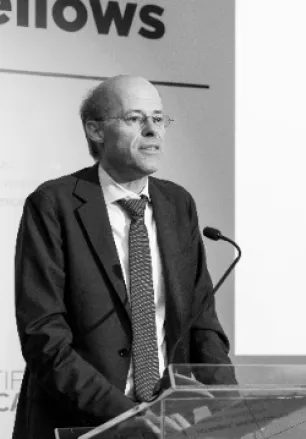
Michael Thumann
Michael Thumann has been the diplomatic correspondent of Die Zeit since 2013 and is based in Berlin. Prior to that, he reported on Turkey and the Middle East as Die Zeit’s Istanbul Bureau Chief. In 2014/15 and between 1996 and 2001, he reported on Russia and Central Asia as the Moscow Bureau Chief of Die Zeit.
michael.thumann@sabanciuniv.edu