The Trump Presidency and the Rise of Populism in the Global Context
Donald Trump’s ascendancy to power after the U.S. presidential election in November 2016 has fueled debates on the global rise of populism. In the wake of the resurgent populist movement, the United States has become the first long-established Western democracy currently ruled by a right-wing populist leader. This policy brief examines the current debate on populism, its causes, and remedies in light of this election and proposes new modes of responding to this phenomenon within liberal democracies.
Executive Summary
The election of Donald Trump to the U.S. Presidency in November 2016 is expected to usher in a new phase in the country’s economic and domestic governance as well as its foreign policy orientations. Trump’s ascendancy to power has also fuelled debates on the global rise of populism. The populist upsurge had already gained prominence in academic and policy circles thanks to the success of populist parties in Europe, as well as in countries like Turkey, India, Thailand, and Venezuela. More recently, the referendum on Brexit witnessed the victory of a populist party, the UK Independence Party (UKIP), and its (former) leader, Nigel Farage, in the form of its dominance in shaping the populist debates largely devoid of facts in the period preceding the referendum. Nonetheless, despite their electoral strength or their increasing power in shaping public debates, none of these parties had yet come to power in a long-established Western democracy.1 In that sense, Trump’s election marks a turning point by making the United States the first long-established Western democracy that is currently ruled by a right-wing populist leader. It also significantly strengthens the claim that populism is no longer a regional but a global phenomenon that needs to be studied through comparative terms in a global context.
Publication Date
January 2017
Page Count
8
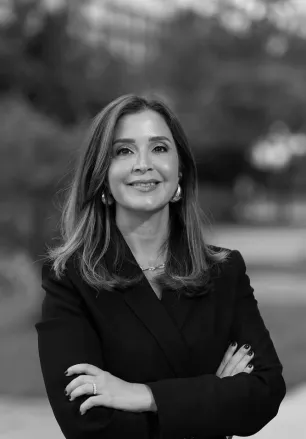
Senem Aydın Düzgit
Senem Aydın-Düzgit is the Director of Istanbul Policy Center and a Professor of International Relations at the Faculty of Arts and Social Sciences at Sabancı University.
senem.aydinduzgit@sabanciuniv.edu
Fuat Keyman
Fuat Keyman is the Director of the Istanbul Policy Center; Vice President for Institutional Affairs and Social Impact, and Professor of International Relations at Sabancı University. Keyman is a leading political scientist in Turkey and an expert on globalization, democratization, international relations, Turkey – EU relations, Turkish foreign policy, and civil society development.