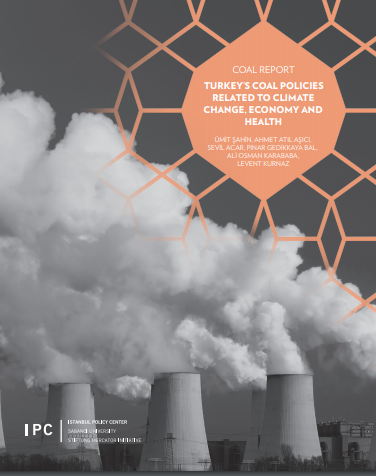
Coal Report: Turkey’s Coal Policies Related to Climate Change, Economy and Health
Executive Summary
This report examines the current role of coal in Turkey as both an energy source and a major contributor to greenhouse gas emissions. It explores the impacts of coal on public health, the relationship between policies aimed at increasing coal's share in electricity generation and Turkey's climate and economic strategies, and the ongoing debate surrounding "clean coal" technologies. The report emphasizes that coal remains the largest source of greenhouse gas emissions globally and is the primary driver of climate change.
Turkey's energy system relies heavily on fossil fuels, with coal accounting for a significant share of electricity generation. The report notes that the installed capacity of coal-fired power plants has expanded considerably in recent years and that government policy seeks to meet growing energy demand through the construction of additional coal-fired power plants. According to the analysis, these planned investments would substantially increase Turkey's greenhouse gas emissions and make it increasingly difficult to align national energy policy with global climate objectives.
The report also evaluates the economic role of coal mining, concluding that the sector contributes less than one percent of total economic output and provides relatively limited employment. Despite its modest economic contribution, coal continues to receive extensive public support through investment incentives, import subsidies, research and development funding, purchase guarantees, and exemptions from certain environmental regulations. The study argues that reducing fossil fuel subsidies would contribute to lowering greenhouse gas emissions while supporting a more sustainable energy transition.
International developments indicate a clear global shift toward low-carbon energy systems. The European Union has adopted ambitious targets for renewable energy, energy efficiency, and greenhouse gas emission reductions, while many countries are steadily reducing their dependence on coal. The report warns that unless Turkey revises its current energy policies, it may face increasing economic costs, international trade constraints, and growing difficulties in adapting to the global transition toward cleaner energy.
The report further highlights the severe health impacts associated with coal-fired power plants. Air pollutants emitted by these facilities contribute to respiratory and cardiovascular diseases, cancer, premature deaths, lost working days, and substantial healthcare costs. It also examines Carbon Capture and Storage (CCS) technologies, concluding that although they are often presented as a potential solution for reducing emissions, they remain technically challenging, costly, and insufficiently developed for large-scale implementation.
The report concludes that the long operational lifespan of newly constructed coal-fired power plants would lock Turkey into a high-carbon energy system for decades, undermining the competitiveness of renewable energy technologies and delaying the transition to a sustainable energy future. It therefore recommends eliminating coal subsidies, abandoning policies that expand coal-fired electricity generation, and restructuring Turkey's climate and energy policies around lower carbon intensity, renewable energy development, and improved energy efficiency.
Publication Date
April 2016
Page Count
90

Ümit Şahin
Ümit Şahin is Senior Scholar and the Head of Climate Change Program at Istanbul Policy Center.
umit.sahin@sabanciuniv.edu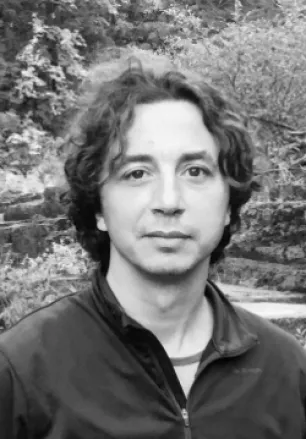
Ahmet Atıl Aşıcı
Ahmet Atıl Aşıcı has worked as an associate professor of economics at Istanbul Technical University, Department of Management Engineering since 2009. He received his PhD in Economics from the University of Geneva, Switzerland, in 2007.
asici@itu.edu.tr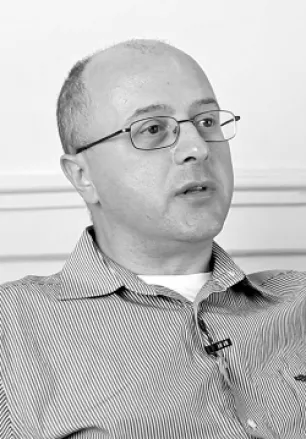
Mehmet Levent Kurnaz
Mehmet Levent Kurnaz is a physicist specialized in climate science and a professor at Boğaziçi University, Istanbul. He worked as a Mercator-IPC Fellow from September 2013 to end of August 2014.
mlkurnaz@gmail.com