Driving Change: A Snapshot of the Automotive Sector in Turkey
Executive Summary
Turkey is one of the world's largest vehicle manufacturers, making the automotive sector a key pillar of the national economy. Ensuring that the sector is prepared to address challenges such as air pollution, climate change, and energy security is essential for maintaining its competitiveness. The report argues that achieving this objective requires the development and adoption of innovative vehicle technologies supported by comprehensive policy measures.
Passenger cars and light commercial vehicles account for approximately three-quarters of Turkey's vehicle fleet. The characteristics of newly produced vehicles in Turkey—including vehicle weight, size, engine power, fuel consumption, and carbon dioxide emission levels—closely resemble those of the European Union market. Although purchase and ownership taxes on passenger cars are relatively high, they are not directly linked to carbon dioxide emissions or fuel consumption.
The report highlights that Turkey remains one of the few major automotive markets that has not yet introduced mandatory carbon dioxide emission standards for passenger cars and light commercial vehicles. A similar policy gap exists for heavy-duty vehicles, which account for roughly half of total fuel consumption and carbon dioxide emissions. In contrast, major markets such as the United States, Canada, China, and Japan have already implemented mandatory fuel efficiency and emission standards for new heavy-duty vehicles.
In addition to nationwide regulatory measures, the report recommends complementary urban policies to encourage the adoption of low-emission vehicles. Such measures are considered particularly important for Turkey, as nearly half of all new vehicle registrations take place in Istanbul, making urban transport policies a critical component of reducing emissions and improving air quality.
Publication Date
March 2016
Page Count
16
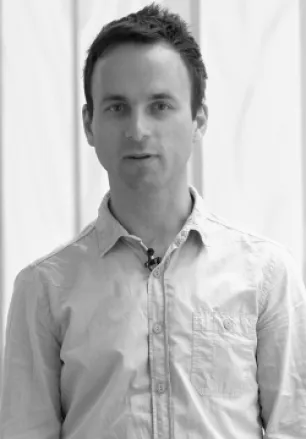
Peter Mock
Peter Mock focuses on the impact of road transport on climate change and air pollution. As part of his research, he is interested in technologies to reduce the emissions from cars and trucks, as well as policy measures for advancing the market deployment of clean vehicles.
peter@theicct.org