Executive Summary
Eastern and Southeastern Anatolia, the most economically underdeveloped regions of Turkey, remain trapped in a cycle of terror and conflict that poses a serious obstacle to economic development and cannot be broken.<sup>1</sup> Economic problems and a lack of opportunities marginalize individuals, further fueling the environment of terror and conflict. Development plans prepared and implemented by the government for the region, along with extensive funding and incentives, have so far failed to achieve the desired success in creating a business environment that would provide more employment opportunities. On the other hand, the increasing number of terrorist attacks and clashes between security forces and terrorist organizations, as well as the deadly chaos prevailing in neighboring Syria and Iraq, have further worsened the situation. Breaking this vicious cycle is possible. This article presents a macro-level analysis of the economic situation in Eastern and Southeastern Anatolia, combining findings with data obtained from the field through comprehensive interviews and workshops with local stakeholders. It is argued that planned, rational, and implementable programs, established through cooperation between the state, local actors, and the public and private sectors, can contribute to creating a more efficient economic environment by stimulating economic activity and alleviating security concerns, thus preparing the ground for a stronger economic recovery. Rather than focusing solely on increasing economic output and raising gross domestic product figures in the region, an approach guided by the logic of inclusive growth should be adopted. In other words, while increasing economic production on one hand, the aim should be to achieve inclusiveness that prioritizes quality over quantity in economic activity, providing equal opportunities in access to markets and resources for all economic sectors and a suitable regulatory environment. The problems experienced in the Eastern and Southeastern Anatolia regions are not solely economic in origin. Economic underdevelopment is only one part of the problem, and therefore, inclusive growth can only be a part of the multi-dimensional solution needed. However, while economic progress alone may not be sufficient for the region, it is undoubtedly a vital and necessary condition that will contribute to healing the wounds. This article proposes a model that provides opportunities for equality and participation alongside growth in terms of overall economic output, and addresses a number of key objectives. One of these key objectives is to increase the institutional capacity of the institutions that are stakeholders in the process of preparing and implementing development plans. This is vital not only for public institutions but also for the private sector, especially representative organizations of the business world. Building institutional capacity can also be beneficial in terms of strengthening dialogue between the public and private sectors. This dialogue is necessary to ensure the flow of local information and the consideration of local dynamics in the preparation of development and incentive plans. Another critical issue in the region is sectoral development. Alongside the increase in new employment opportunities in low value-added and labor-intensive sectors, a gradual transition towards new sectors with higher value-added, less labor-intensive, and more capital and technology-oriented sectors should be ensured. Furthermore, investment in service sectors requiring medium-level skills, such as information technology and tourism, can yield significant benefits. Considering that one of the most significant obstacles to economic progress is the loss of trade opportunities due to various reasons, primarily the closure of border crossings with neighboring countries, adopting an economically oriented foreign policy paradigm towards the region in the long term, and developing new mechanisms to increase cross-border trade in the short term, would be an appropriate policy choice under the current circumstances. Finally, Turkey should ensure the inclusion of Syrian refugees in inclusive growth, both in the region and elsewhere in the country. Integrating Syrians into the regional economy as consumers, entrepreneurs, and a workforce pool consisting of individuals with various levels of knowledge and skills will contribute to creating conditions that benefit not only the refugees but also society as a whole.
Publication Date
June 2017
Number of Pages
17
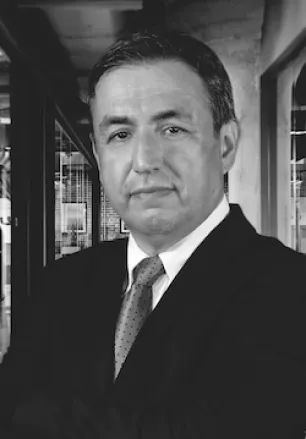
Altay Atlı
Altay Atlı is a Senior Scholar at Istanbul Policy Center. He is the founder of Atlı Global, a firm providing strategic advisory services on the global economy. He also teaches undergraduate courses at the Department of International Relations of Koç University and graduate courses in the Asian Studies program of Boğaziçi University. His academic interests include international political economy, Asia–Pacific economies, and geoeconomics.
altay.atli@gmail.com