Languages in Transition Turkish in Formal Educatıon in Germany: Analysis and Perspectives
Executive Summary
The languages spoken by minority groups and immigrants in Europe are real value-added contributions to diversity in the European societies that host large immigrant communities. However, immigrant minority languages are not protected by legal documents neither on the European nor on the national level. Much lip service has been paid to multilingualism and linguistic diversity on the level of official language policy. Yet still, plurilingualism and bilingualism among the youth in a transmigration country such as Germany has long been viewed as a burden in state school education. Only recently, a paradigm shift has occurred toward valuing this diversity. Despite this shift in conceptualization, the overall atmosphere is still unfavorable regarding languages that migrant workers once brought into western European countries.
In this policy brief, we will argue that the potential of immigrant languages as an asset has not yet been fully appreciated in an expanding world of transnational (educational) spaces. Based on a thorough analysis of the current status of Turkish in formal education in Germany, we will show that adhering to the common labels of "heritage language instruction" or "mother tongue teaching" perpetuates the ethnicization of problems related to issues revolving around (language) education of immigrant students. Upgrading the teaching of immigrant languages and transcending them into the formal curricula as "modern foreign languages" would unlock their full societal value as subjects open for monolingual children, provide room for intercultural encounters, and promote two-way integration and social cohesion. In contrast, allowing immigrant languages to be taught only in informal educational settings such as mosques and Turkish associations would reinforce the misconception that "Turkish belongs to the Turks" (and not to Germany).
Publication Date
September 2014
Page Count
28
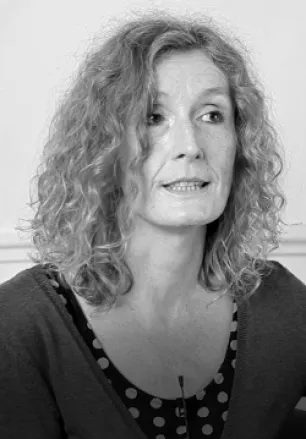
Almut Küppers
Almut Küppers is an educational scientist and a foreign language/English teaching specialist. She worked as a Mercator-IPC Fellow from September 2013 until the end of August 2014.
almut.kueppers@gmail.com