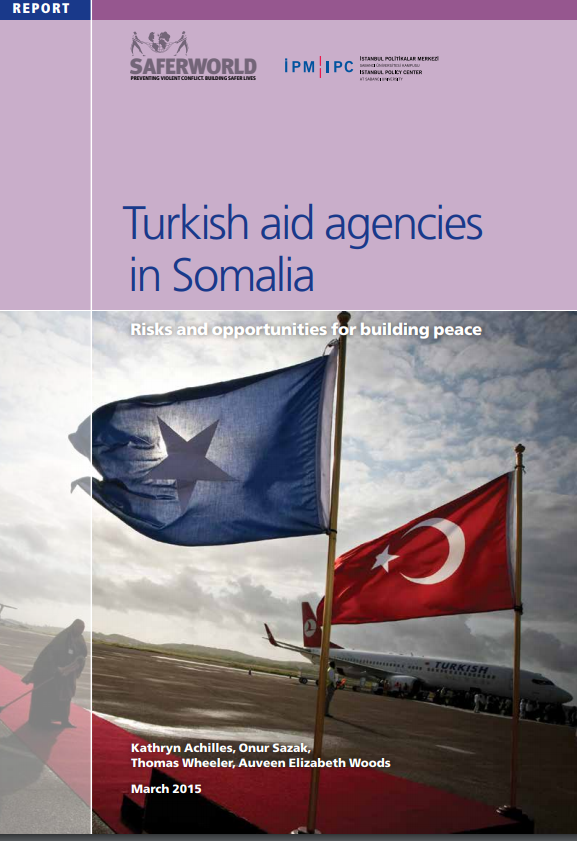
Turkish Aid Agencies in Somalia: Risks and Opportunities For Building Peace
Executive Summary
This report examines Turkey’s growing role as a global actor through its “humanitarian diplomacy” approach, focusing particularly on its engagement in conflict-affected regions and its activities in Somalia. Turkey has expanded its international presence through a growing aid budget and a multi-track strategy that combines state institutions with civil society organizations.
Turkey’s involvement in Somalia became especially visible after the 2011 famine. Assistance coordinated largely through TIKA and supported by NGOs has evolved from emergency humanitarian relief into broader development-oriented projects, including infrastructure, healthcare, education, and state-building initiatives. Turkish aid has generally been positively received in Somalia due to its direct implementation, visible outcomes, effective delivery, and perceptions of cultural proximity between the two societies.
Nevertheless, the report emphasizes that Turkish assistance, like other forms of external aid in conflict environments, may unintentionally influence local conflict dynamics. Key risks include insufficient contextual understanding, diversion of resources, elite capture, corruption, and the concentration of aid activities in Mogadishu, which may contribute to existing political inequalities.
Despite these challenges, Turkey’s strong presence and favorable reputation provide important opportunities for supporting peace and stability. The study argues that Turkey can enhance the effectiveness of its humanitarian diplomacy by adopting conflict-sensitive approaches, promoting inclusive state-building processes, and improving coordination between government institutions and civil society actors. Through these measures, Turkey can make a more meaningful contribution to long-term peace and stability in Somalia.
Publication Date
March 2015
Page Count
57
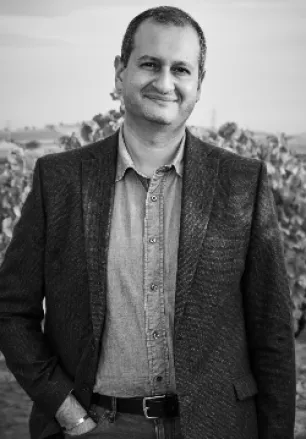
Onur Sazak
Onur Sazak is Turkey-based Project Coordinator at the International Press Institute (IPI). Prior to joining IPI, Sazak coordinated the Philanthropy Infrastructure Development in Turkey project at The Third Sector Foundation of Turkey (TUSEV) from September 2019 to May 2021. He has also worked at Open Society Foundations Turkey, Istanbul Policy Center at Sabancı University, Hudson Institute, and Brookings Institution in different capacities ranging from research manager to program associate for over a decade and a half.