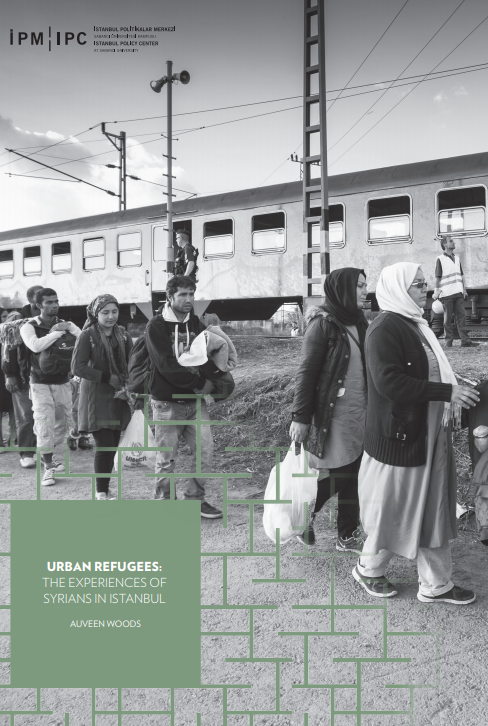
Urban Refugees: The Experiences of Syrians in İstanbul
Executive Summary
In over six years of escalating violence, more than 200,000 Syrians have been killed, and millions more have been forced to flee their homes both within the country and to neighboring states. The repercussions of this ongoing violence have reached Europe, with refugee numbers expected to reach 1 million in Germany alone. In a desperate effort to reduce the flow of migration, the European Union and Turkey reached an agreement in November 2015 aimed at decreasing the number of migrants entering Europe from Turkish territory.
According to UNHCR’s Regional Refugee Response, Turkey currently hosts 2.1 million registered Syrian refugees. When unregistered Syrians are included, this number rises to approximately 2.3 million. Contrary to common perceptions, the majority of Syrians, like other refugee groups, live outside refugee camps in urban areas. Based on interviews conducted with Turkish NGOs and Syrian individuals from diverse religious, ethnic, and socioeconomic backgrounds in Istanbul, this report examines the daily challenges and insecurity experienced by Syrians living in urban areas. These difficulties not only contribute to decisions to leave for Europe but also directly influence refugees’ choices regarding how they leave the country.
Although the Turkish state has spent more than 7.6 billion USD on refugees, the vast majority of these resources have been directed toward the country’s 25 refugee camps. Outside areas located near these camps, there is limited state support available for urban refugees in Turkey. Significant inconsistencies also exist among Istanbul’s municipal governments regarding their positions, knowledge, and responses toward Syrian populations. In coordination with the Istanbul Governor’s Office and relevant national institutions, local municipalities are responsible for overseeing various services, including infrastructure, maintenance, health, religious services, and water provision. Understanding the size and needs of populations within their districts is essential for municipalities to plan emergency responses, capacities, and services. In this context, the presence of Syrians in urban areas represents not only a humanitarian concern but also a development and legislative challenge.
All individuals interviewed for this report identified a range of problems and difficulties associated with living in Turkey. In one family’s case, these challenges were described as push factors that eventually led them to travel to Europe. The lack of documentation, including residence permits and work permits, together with the absence of associated rights, prevents Syrians from accessing basic services and protections such as opening bank accounts, securing payment for their labor, legally renting accommodation, and paying utilities. This situation creates fundamental insecurity and instability in the lives of Syrians and prevents them from establishing long-term lives in Turkey.
Bureaucratic challenges related to integration and communication result in laws and regulations being inadequately communicated and inconsistently implemented across different locations. These problems range from variations in the enforcement of mobility restrictions to limited awareness among Syrians regarding their legal rights. Despite legal entitlements and efforts by the Turkish state to enroll Syrian children in schools, progress outside refugee camps has remained limited. In urban areas, there have been reports of schools refusing to accept Syrian children due to discrimination, insufficient capacity, or a lack of awareness of legal requirements. Similarly, inconsistencies exist in the way healthcare workers apply regulations and provide services to Syrians. Interviewees also highlighted the rapid changes in regulations affecting Syrians in Turkey and the difficulty of accessing reliable information about these changes. This lack of consistency and transparency in the implementation of laws and regulations contributes to an insecure and unsustainable situation for Syrian refugees.
This paper focuses specifically on the challenges faced by Syrian communities in Turkey, although many of these issues are also experienced by other refugee groups. The absence of legal recognition creates multiple restrictions in the lives of urban refugees. This situation produces a fundamental tension between temporariness and permanence, which defines the insecure experiences of many Syrians in Turkey and pushes some to risk their lives through dangerous journeys to Europe.
Publication Date
February 2016
Page Count
30