
Institutional Structures and Refugees' Experiences with Turkish Language Education in Turkey
Introduction
Initiated in 1961 as part of the guest worker (Gastarbeiter) program to rebuild the German economy, the program brought over 2.8 million Turkish immigrants to Germany. Initially, these "guest" workers were considered temporary, and little effort was made to "integrate" them into the country. As time passed and these individuals became permanent residents, the lack of relevant policies led to inequalities in areas such as access to education. As migration waves grew due to various conflicts, and more and more people arrived in Germany in an unplanned and irregular manner, the German state had to take action. Increasing efforts were made to teach the national language to integrate the arriving immigrants and enable them to enter the labor market.
Conclusion
Given the importance of language education for adult refugees, a national policy should be developed to reach all Syrian adults more systematically. For this to happen, a shift in approach is needed at the state level, recognizing Turkey's role as a host country for Syrians and accepting the presence of Syrians. It took Germany several decades to accept that it was a country of immigration and to develop integration policies for immigrants, including language training. Furthermore, developing a national policy and strategy requires coordination with various ministries, namely the General Directorate of Lifelong Learning at the Ministry of National Education, the General Directorate of Migration Management at the Ministry of Interior, and the Ministry of Family, Labor and Social Services. NGOs and other institutions should be given a special role in developing and facilitating these processes. In parallel with the long-term stay of Syrians in Turkey, a link should be created between becoming a Turkish citizen and learning Turkish to encourage language learning. Officials in public institutions seem to prefer a more centralized system with protocols regarding funding. However, so far these initiatives have been project-based, with limited durations and resources at the local level. The idea of making access to language training more comprehensive through sustainable policies is not addressed in official discourse. To ensure long-term sustainability when funding ends, state efforts need to focus on a comprehensive strategy developed in collaboration with field actors working on language training.
Publication Date
November 2025
Number of Pages
50
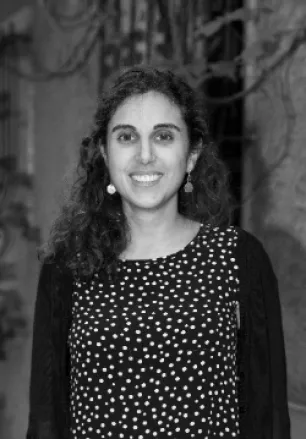
Maissam Nimer
Maissam Nimer is a sociologist working in the fields of sociology of migration, education, and gender with a regional focus on the Middle East and Turkey.
msnimer@gmail.com